The 2026 Super El Niño puts California maritime workers at greater risk by sending stronger swells, high winds, and flooding into ports and coastal waters. NOAA’s Climate Prediction Center expects a very strong El Niño this winter, which means more atmospheric rivers hitting the coast. Seamen, longshore workers, fishermen, and shipyard crews face more falls, mooring line failures, and crushing injuries.
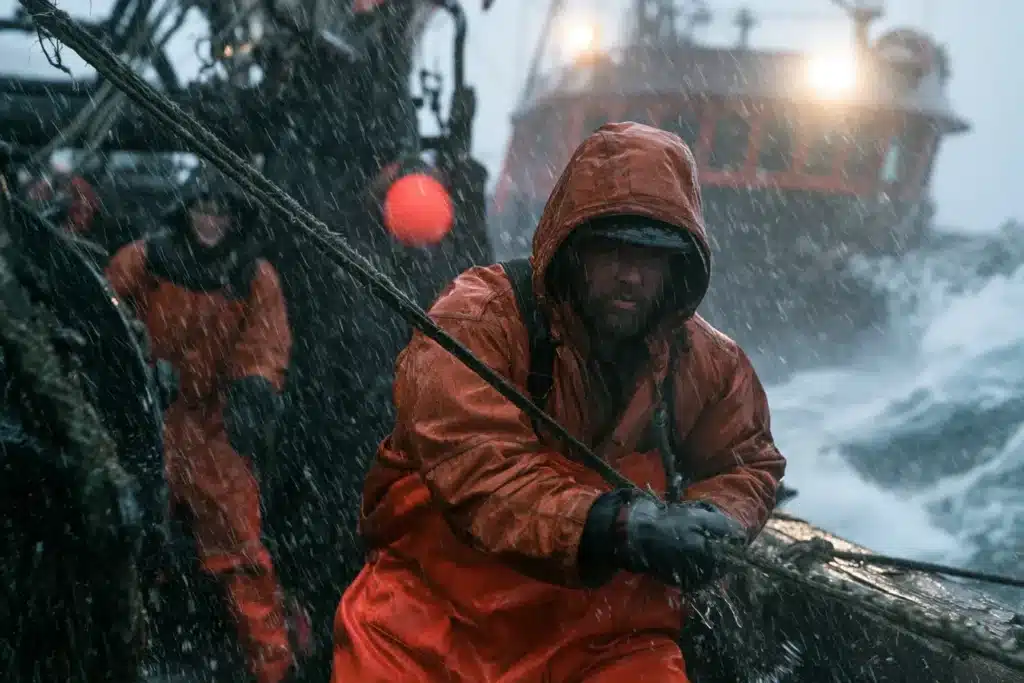
For workers at the Ports of Los Angeles and Long Beach, on tugs in San Pedro Bay, or on fishing boats out of Ventura and Morro Bay, storm season already means harder shifts in worse conditions. A Super El Niño winter brings storm after storm, often with little time for crews and equipment to recover between them.
The danger grows when employers keep operations moving as if the forecast were normal. Mooring lines are pushed past their limits, wet decks and gangways go untreated, and flooded terminals hide energized cables. When someone is hurt, insurers are quick to call it an Act of God, even though these storms were forecast months in advance.
In this article, you will discover which maritime workers face the greatest risk, which storm hazards cause the most injuries, and how a California maritime injury attorney can help you protect your rights under the Jones Act and the LHWCA.
What Is a Super El Niño?
A Super El Niño is an extreme warming of Pacific Ocean surface temperatures that fundamentally reshapes global weather patterns. Unlike a standard El Niño, which brings some added rain and disruption, a “Super” event pushes the jet stream aggressively south and fires a relentless series of powerful storms directly at the California coast.
NOAA’s Climate Prediction Center issued an El Niño Advisory, and as of September 2026 it gave better than a 90% chance of a very strong event during the fall and winter of 2026 to 2027. For every worker on a California waterfront, this is not background weather news. It is an occupational hazard that demands your attention now.
How El Niño Changes California’s Waters
When Pacific temperatures spike, the jet stream opens a direct path for atmospheric rivers to pummel California. Atmospheric rivers are concentrated bands of moisture in the atmosphere that can drop months of rainfall in just a few days.
For maritime workers, the results go far beyond a wet shift:
- Bigger swells: Wave heights increase dramatically, causing vessels to surge violently against piers and stretching mooring lines far beyond their rated load limits.
- Sustained high winds: Gusts can ground crane operations, send unsecured cargo airborne, and turn crossing a wet deck into a life-threatening act.
- Dense coastal fog: Visibility can collapse to near zero, sharply raising the risk of vessel collisions and allisions, which happen when a moving ship strikes a fixed structure like a dock or bridge.
- Tidal flooding: Heavy rainfall combined with king tides floods terminal yards and dry dock areas, turning energized shore power connections and reefer plugs into kill zones.
Your employer has a duty to account for NOAA forecasts, port advisories, and live buoy data when planning work during storm season. Ignoring that information is not a judgment call. It can be negligence.
Who Is Most at Risk on the California Waterfront?
Every maritime job carries real danger on a calm, clear day. A Super El Niño winter puts specific groups of workers in far more immediate danger.
Longshoremen and terminal workers at the Ports of Los Angeles and Long Beach, the busiest cargo complex in the Western Hemisphere, face high winds that destabilize container stacks and gantry crane operations. Rain-slicked yard surfaces turn routine walks into serious fall risks.
Seamen on tugs, barges, and ferries working San Pedro Bay and the Santa Barbara Channel are exposed directly to deteriorating sea conditions. A heavily rolling vessel in a large swell can throw a deckhand off the deck or overboard without warning.
Commercial fishing crews out of San Pedro, Ventura, and Morro Bay face the most isolated danger. A storm front that catches your boat offshore can leave you hours from safe harbor in conditions capable of capsizing a vessel.
Shipyard and dry dock workers often labor on elevated scaffolding or in confined spaces that become acutely hazardous when wet. Flooding in dry dock areas can electrify the water surrounding welding cables and power tools.
One pattern we consistently see after winter storms at the Ports of Los Angeles and Long Beach is that terminal operations keep moving through wind and rain that would stop work elsewhere, because vessel schedules and berth windows are tight. Longshore workers on Terminal Island describe crane and lashing work continuing in gusts that later show up in the terminal’s own wind gauge records. We request those records early, because they often show the conditions were known when the work continued.
Which El Niño Hazards Cause the Most Maritime Injuries?
A Super El Niño creates a predictable set of injury mechanisms. When your employer fails to control these known hazards, that failure becomes the legal foundation of your claim:
- Mooring line snapback: A line under extreme storm tension can part without warning and recoil through the snapback zone near the cleat with force capable of causing amputation or fatal blunt trauma.
- Gangway and ladder falls: A pitching vessel combined with a rain-soaked gangway is one of the most common causes of catastrophic falls between ship and pier.
- Shifting containers: Improperly secured stacks topple in high winds or during heavy vessel roll, crushing anyone in the drop zone below.
- Electrocution in floodwater: Energized shore power cables and reefer connections standing in flood water create a hazard that cannot be detected until it kills.
- Deck slips: The most frequent storm-season injury. A wet, rolling deck produces the neck, back, and head trauma that ends careers permanently.
What Are Your Legal Rights After a Storm-Related Maritime Injury?
Maritime law gives you far stronger protections than a standard workers’ compensation claim, but only if you know which law applies to your specific job.
| Law | Who It Covers | What It Provides |
| Jones Act | Seamen assigned to a vessel in navigation | Damages for employer negligence |
| Unseaworthiness | Seamen | Damages when a vessel or its gear is not fit for its purpose |
| Maintenance and Cure | Seamen | A daily living stipend and medical care until maximum recovery |
| LHWCA | Longshoremen, shipyard, and harbor workers | Wage replacement and full medical benefits |
| DOHSA | Families of offshore workers killed at sea | Wrongful death recovery |
Jones Act Claims
The Jones Act is a federal law that lets injured seamen sue their employers directly for negligence. Even minor employer failures, such as ignoring a weather advisory, using frayed mooring lines, or pressuring a crew to sail into a known storm, can be enough to support a winning claim.
Unseaworthiness Claims
A vessel is “unseaworthy” when it is not reasonably fit for its intended purpose. A broken bilge pump, worn mooring lines, an under-trained crew, and missing non-skid paint on deck all qualify, conditions that become far deadlier during an El Niño season.
Maintenance and Cure
Every injured seaman is owed maintenance and cure from their employer, regardless of fault:
- Maintenance is a daily payment covering your basic living costs, such as rent, utilities, and food, while you cannot return to work.
- Cure is your employer’s obligation to cover all necessary medical treatment until you reach maximum medical improvement.
Employers routinely underpay maintenance or cut off cure before you have truly recovered. Do not accept what they offer before speaking with a maritime attorney.
LHWCA Benefits for Dockside Workers
The Longshore and Harbor Workers’ Compensation Act (LHWCA) covers most longshoremen, shipyard workers, and harbor workers, providing wage replacement and full medical treatment for on-the-job injuries. Under Section 905(b) of the act, you may also have the right to file a separate negligence lawsuit against a vessel owner who contributed to your injury.
In our experience, longshore workers injured during storm season are often surprised to learn that a Section 905(b) claim against the vessel owner can exist alongside their LHWCA benefits. When a ship’s crew left a ladder unsecured or a deck untreated in heavy weather, that vessel negligence can support a separate lawsuit. We review the vessel’s role in every storm injury before a case is treated as a compensation-only claim.
How Employers Use the Act of God Defense and Why It Fails
After a storm injury, the insurance company will almost certainly argue that the weather was so extreme and unforeseeable that nothing could have prevented your injury. This is the “Act of God” defense, and it consistently fails in Super El Niño cases because these events are forecast months in advance.
We defeat this argument with documented evidence:
- NOAA weather records and port advisories that were available to your employer before your shift
- Vessel logs and AIS tracking data showing the decisions the master made
- Terminal wind gauge and rainfall readings from the moment of your injury
- Mooring line and equipment inspection records revealing deferred maintenance
- Prior incident reports from the same vessel or facility
The moment you are injured, the evidence that wins your case starts to disappear. Preserve everything before it is cleaned up or discarded.
What we see in storm-related claims is that the Act of God defense usually falls apart once the forecast history is laid out. During the January 2023 atmospheric river storms, the National Weather Service issued warnings days ahead of the worst conditions along the California coast. When an employer had that information and kept crews on the dock or at sea anyway, the storm stops being an excuse and becomes evidence.
What You Should Do Immediately After a Storm Injury
Actions you take immediately after a storm-related injury can significantly affect your chances of successfully pursuing a maritime injury claim and recovering full compensation. Your employer’s insurance team is already moving to protect their interests.
Report in writing. Notify your supervisor immediately and make sure a formal written accident report is completed. Get your own copy before you leave the job site.
See a doctor that same day. A sore shoulder from a fall may be a torn rotator cuff that worsens without treatment. Tell the provider about every symptom, no matter how minor it feels.
Document the scene. Photograph the failed equipment, the weather conditions, and your injuries. Write down the names of every coworker who witnessed what happened.
Refuse a recorded statement. You may be contacted by an insurance adjuster after you report the incident. You are not required to provide one, and anything you say will be used to minimize your claim.
Do not sign anything. Settlement offers and medical releases presented right after an injury are designed to close your case for far less than it is worth. Have your attorney review every document before you sign.
Why California Maritime Workers Call the Law Offices of Charles D. Naylor
We have practiced maritime law from 111 W. Ocean Blvd in Long Beach since 1974, at the crossroads of the Port of Los Angeles and the Port of Long Beach, steps from the waterfront where our clients work every day. Our team brings deep maritime law expertise and seasoned attorney and paralegal support to every case we handle.
We have obtained significant verdicts and settlements on behalf of our clients. Charles D. Naylor has been recognized by Best Lawyers® for his work in Admiralty & Maritime Law and named to the California Super Lawyers list.
We handle every case on a contingency fee basis: you pay nothing unless we win. Call our injury hotline at (310) 514-1200 now for a free, confidential review of your case. The insurance company has a specialized legal team protecting their bottom line. You deserve the same firepower on your side.
“Mr. Naylor is a great attorney, very experienced with workers comp cases, especially for longshore workers. His expertise with the Longshore and Harbor Workers’ Compensation Act, is the key. I would recommend his services to any worker in need of legal representation. His ‘no limit’ to service is a blessing. And his staff is to be commended also.” – Constance, LHWCA Client
Frequently Asked Questions
Can I Refuse to Work in Dangerous Storm Conditions?
Yes. Federal law gives you the right to refuse work you reasonably believe poses an immediate risk of serious injury or death, but you must document the unsafe conditions and the name of the supervisor who issued the order.
Does Maintenance and Cure Cover Illness from Storm Exposure?
Yes. If you become ill while serving your vessel during a storm, such as pneumonia, hypothermia, or a related condition, that illness is covered under maintenance and cure, regardless of fault.
Which Law Applies if I Work Both on Vessels and on the Dock?
Your coverage turns on where you spend the majority of your working time. Regular assignment to a vessel in navigation points to the Jones Act, while primarily dockside work points to the LHWCA.
What Weather Records Help Prove a Storm-Related Maritime Injury Claim?
NOAA meteorological reports, live coastal buoy data, vessel weather logs, port condition statements, and terminal wind gauge records all help establish exactly what conditions existed at the moment of your injury.
How Quickly Must I Report a Storm-Related Maritime Injury?
Report immediately and always in writing. The Jones Act imposes time limits for filing a lawsuit, and delayed reporting can give insurers a basis to challenge your credibility and the severity of your injuries.