Exposed to toxic chemicals while working at sea or in port? Contact the top maritime toxic chemical exposure lawyer today.
Toxic chemical exposure aboard cargo ships, tankers, offshore platforms, and commercial docks can cause serious and lasting harm to your lungs, skin, nervous system, and overall health. Many maritime workers are exposed to dangerous substances including asbestos, hydrogen sulfide, cleaning solvents, and fuel vapors without adequate protective equipment or proper safety warnings. The effects are not always immediate. Symptoms can develop over weeks, months, or years, and by the time a diagnosis is confirmed, employers and insurers are often already preparing their defense.
At the Law Offices of Charles D. Naylor, our maritime injury attorneys understand the medical and legal complexity of toxic exposure claims. We work with leading occupational health experts to document the connection between your workplace conditions and your diagnosis, and we pursue every available avenue for compensation under the Jones Act, the Longshore and Harbor Workers’ Compensation Act, and other applicable federal statutes. With more than five decades of maritime litigation experience, we know how to hold negligent vessel operators and employers accountable for the harm they cause.
Contact us to schedule a free consultation with our experienced maritime toxic chemical exposure lawyers and discover how we can help you seek justice and compensation.
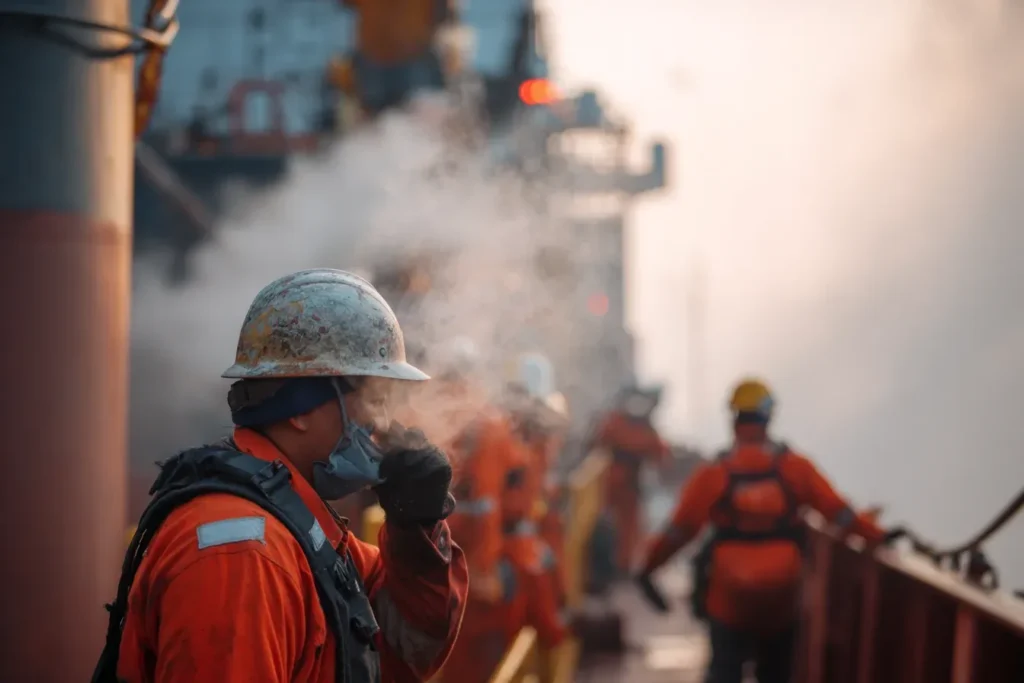
How We Help After Maritime Toxic Chemical Exposure
Maritime toxic chemical exposure cases demand immediate action and specialized legal knowledge. The Law Offices of Charles D. Naylor, based in Long Beach, represents maritime workers at the Port of Los Angeles and the Port of Long Beach throughout every stage of the legal process.
From your first call through final resolution, we provide comprehensive support:
- Free Consultation: We evaluate your case at no cost and explain your legal options under federal maritime law
- Immediate Evidence Preservation: We send preservation letters and document critical evidence before it disappears
- Insurance Communication Management: We handle all interactions with insurance adjusters to protect you from tactics designed to minimize your claim
- Medical Specialist Coordination: We connect you with doctors who understand maritime toxic injuries and can properly diagnose your condition
- Expert Collaboration: We work with industrial hygienists to establish the link between your exposure and health problems
- Maximum Compensation Recovery: We pursue every available remedy under the Jones Act, LHWCA, and other applicable federal laws
Our attorneys bring the focused expertise of a maritime personal injury attorney to your claim while you concentrate on your health and recovery. Call (310) 514-1200 for immediate help with your toxic exposure claim.
Do I Have a Maritime Toxic Chemical Exposure Case?
You likely have a valid case if four key elements exist in your situation. Maritime toxic exposure claims require proving a connection between your work environment, the chemical contact, and your resulting health problems.
- Your Employment Status: You work as a seaman, longshoreman, harbor worker, or other maritime employee covered by federal law
- Chemical Contact: You experienced exposure through skin contact, inhalation of vapors, or accidental ingestion of hazardous substances
- Medical Documentation: You have symptoms, a diagnosis, or medical records linking your health condition to workplace chemical exposure
- Employer Negligence: Your employer or another party failed to provide proper safety equipment, adequate training, or required warnings about chemical hazards, violations that an unsafe working conditions lawyer can help you address
Understanding your specific type of exposure determines which maritime laws protect you and what compensation you can recover.
What Is Maritime Toxic Chemical Exposure?
Maritime toxic chemical exposure occurs when workers encounter harmful substances during their employment on vessels, docks, or offshore platforms. This exposure can occur through direct skin contact with chemicals, inhalation of contaminated air, or accidental ingestion of toxic materials.
Common scenarios include benzene exposure during cargo tank cleaning, hydrogen sulfide poisoning in fish processing holds, or diesel exhaust inhalation in poorly ventilated engine rooms.
These exposures often occur gradually over months or years, making them difficult to detect until serious health problems develop.
Where Do Toxic Exposures Happen in Maritime Work?
Chemical exposures occur throughout the maritime industry wherever hazardous materials are present. Your work location determines which safety regulations apply and who may be responsible for your protection.
Maritime workers face chemical hazards in these environments:
- Engine rooms where diesel fumes and lubricants create toxic atmospheres
- Cargo holds containing petroleum products, chemicals, or agricultural fumigants
- Shipyards use solvents, paints, and welding materials during construction or repair
- Port terminals where chemicals are loaded, unloaded, or temporarily stored
- Tugboats and barges transporting industrial chemicals or petroleum products
- Offshore platforms processing oil and gas with numerous toxic substances, where the risk of oil rig explosions compounds the chemical hazards
The location of your exposure determines which federal maritime laws protect your injuries.
Who Is Covered Under Maritime Law for Toxic Exposure?
Your job classification and work location determine which federal laws protect you after chemical exposure. Different maritime statutes provide varying levels of benefits and legal remedies.
| Worker Classification | Applicable Law | Available Benefits |
| Jones Act Seamen | Jones Act + Unseaworthiness | Right to sue employer for negligence, maintenance and cure benefits |
| Longshoremen | LHWCA | Medical benefits, wage replacement, disability compensation |
| Harbor Workers | LHWCA | No-fault benefits plus potential third-party claims |
| Mixed-Status Workers | Case-by-case analysis | Multiple remedies depending on specific duties and location |
Determining your proper classification requires analyzing your job duties, the time you spend on vessels, and where your exposure occurred. Contact us online to determine your legal coverage.
What Laws Apply to Toxic Exposure at Sea?
Several federal maritime laws may govern your chemical exposure claim. Each statute provides different protections and compensation options for injured workers.
- Jones Act: Allows seamen to sue their employers for negligence that contributes to their injuries
- Unseaworthiness Doctrine: Holds vessel owners absolutely liable for unsafe conditions that cause harm
- Longshore and Harbor Workers’ Compensation Act: Provides no-fault medical and wage benefits for covered workers
- Section 905(b) Claims: Permits harbor workers to sue negligent vessel owners in addition to receiving LHWCA benefits
- Product Liability Laws: Enable claims against manufacturers of defective safety equipment or dangerous chemicals
An experienced maritime attorney identifies all applicable laws to maximize your potential recovery.
Who May Be Liable for Toxic Exposure?
Multiple parties often share responsibility for maritime chemical exposures. We investigate every potential defendant to ensure you receive full compensation for your injuries.
Under the Unseaworthiness Doctrine, potentially liable parties include vessel owners who failed to maintain proper ventilation systems, employers who neglected mandatory safety training programs, terminal operators who mishandled dangerous chemicals during loading operations, and equipment manufacturers who produced defective respiratory protection gear.
As your maritime injury lawyer, we hold every negligent party accountable for their role in causing your exposure.
Identifying all responsible parties is crucial because it increases your total compensation and ensures someone pays for your damages even if one defendant cannot.
What Compensation Can You Recover?
The compensation available depends on which maritime laws apply to your specific case. We pursue every available remedy to secure complete financial recovery for your losses.
LHWCA benefits include:
- All reasonable medical treatment costs for your chemical-related injuries
- Two-thirds of your average weekly wage while unable to work
- Permanent disability ratings based on your long-term impairments
- Vocational rehabilitation services to help you return to suitable employment
- Death benefits for surviving family members if exposure proves fatal
Jones Act and third-party claims provide:
- Full compensation for past and future lost wages and benefits
- Payment of all medical expenses related to your chemical exposure
- Damages for physical pain and emotional suffering caused by your injuries
- Compensation for reduced quality of life and lost enjoyment of activities
- Punitive damages in cases involving willful or reckless conduct
What Chemicals Cause Harm at Sea?
Maritime workers encounter numerous toxic substances that can cause immediate injury or develop into serious diseases years later. Even brief exposures to certain chemicals can trigger long-term health problems.
The most dangerous chemicals in maritime work include benzene found in petroleum products and solvents, hydrogen sulfide gas in confined spaces, asbestos in older vessel insulation, diesel exhaust from engines and generators, ammonia used in refrigeration systems, chlorine for water treatment, polychlorinated biphenyls in electrical equipment, and mercury in various industrial applications.
Many of these substances are carcinogens that increase your risk of developing cancer decades after exposure. Call (310) 514-1200 if you have been exposed to dangerous chemicals at work.
What Symptoms Should You Watch For?
Chemical exposure symptoms can appear immediately after contact or develop slowly over many years. Recognizing these warning signs helps you get proper medical care and preserve your legal rights.
Immediate symptoms often include:
- Severe headaches and persistent dizziness
- Breathing difficulties or chest tightness
- Skin burns, rashes, or chemical irritation
- Nausea, vomiting, or stomach pain
Long-term health effects may involve:
- Various cancers including lung cancer, leukemia, and mesothelioma
- Neurological disorders affecting memory and coordination
- Liver, kidney, or heart damage from prolonged exposure
- Blood disorders that affect your ability to fight infections
Seeking immediate medical attention protects your health and creates important documentation for your legal claim.
What to Do After a Suspected Chemical Exposure
Taking the right steps immediately after chemical exposure protects both your health and your legal rights. We guide you through this critical process from the very beginning.
Get Medical Care and Report Within 30 Days
Seek immediate medical evaluation from a doctor who understands chemical exposure injuries. To preserve your rights under the LHWCA, you must also provide written notice to your employer within 30 days.
Preserve Evidence and Identify Witnesses
Document the names of the chemicals involved in your exposure and obtain copies of the Safety Data Sheets, if available. Write down the names and contact information of coworkers who witnessed the incident or can verify your exposure.
Avoid Recorded Statements and Premature Forms
Never give recorded statements to insurance adjusters or sign settlement documents without legal representation. We handle all communications with insurance companies to protect you from tactics designed to reduce your claim value.
Call a Maritime Toxic Chemical Exposure Lawyer
Contacting our firm immediately allows us to send evidence preservation letters and begin building your case while the evidence is fresh. We manage the entire legal process so you can focus on your medical treatment and recovery.
How Long Do You Have to File?
Maritime law imposes strict deadlines for filing toxic exposure claims. Missing these deadlines can permanently bar you from compensation.
- LHWCA Notice: Written notice to your employer must be given within 30 days of discovering your injury
- LHWCA Formal Claim: You have one year from the injury date to file your official claim for benefits
- Jones Act Lawsuit: Seamen have three years from the exposure date to file negligence lawsuits
- Unseaworthiness Claims: The statute of limitations is three years for unsafe vessel condition claims
- Death on the High Seas Act: Families have three years from the date of death to pursue wrongful death claims
Evidence preservation becomes critical immediately after exposure because chemical contamination may be cleaned up quickly.
Why Choose the Law Offices of Charles D. Naylor
Complex toxic exposure cases require attorneys with specific maritime law expertise and resources to take on major corporations, which is why choosing a maritime lawyer with proven experience matters for your case outcome.
- 50+ Years Maritime Law Focus: We have exclusively handled maritime cases since 1974 and understand the unique challenges of toxic exposure claims
- Strategic Long Beach Location: Our office near the ports allows immediate response to chemical incidents at local terminals and vessels
- Academic Credentials: Charles D. Naylor teaches admiralty law at Chapman University School of Law and helps set certification standards for maritime specialists
- National Recognition: Our attorneys hold Best Lawyers and Super Lawyers recognition, plus AV Preeminent ratings for exceptional legal ability
- Personal Attention: We combine the resources of a large firm with the individual attention of a family practice
You pay no attorney fees unless we successfully recover compensation for your case.
Case Results in Maritime Injury Claims
Our successful outcomes demonstrate our commitment to securing justice for injured maritime workers. While each case depends on its unique facts, these results reflect our experience and dedication.
We obtained a favorable jury verdict in a wrongful-death case involving a longshore worker and later negotiated a significant settlement after the defendant filed for bankruptcy. Our team also secured a favorable settlement for a longshore worker who suffered an amputation injury under the LHWCA.
We have recovered multiple six-figure settlements for workers suffering from various toxic chemical exposures throughout California’s maritime industry. Contact us online for a free case evaluation today.
FAQs: Maritime Toxic Chemical Exposure
Do You Work on Contingency for Chemical Exposure Cases?
Yes, we handle all maritime toxic exposure cases on a contingency fee basis, meaning you pay no attorney fees unless we win your case. We also advance all litigation costs, so you face no financial risk while pursuing your claim.
Can I Receive LHWCA Benefits and Sue a Negligent Vessel Owner?
Yes, federal law allows you to collect no-fault LHWCA benefits from your employer while simultaneously pursuing a separate negligence lawsuit against a vessel owner under Section 905(b) of the LHWCA.
What Are My Deadlines for Reporting Chemical Exposure?
You must notify your employer in writing within 30 days of discovering your chemical-related injury and file a formal LHWCA claim within one year. Jones Act claims have a three-year statute of limitations from the date of exposure.
How Do You Prove Chemical Exposure From Years Ago?
We work with industrial hygienists and medical experts who analyze your work history, Safety Data Sheets, air monitoring records, and medical testing to establish a clear link between your past exposure and current health problems.
Do Seamen Get Maintenance and Cure for Chemical Exposure Injuries?
Yes, injured seamen are entitled to maintenance and cure benefits regardless of fault, which cover daily living expenses and all reasonable medical costs until you reach maximum medical improvement from your chemical-related injuries.
Contact the Law Offices of Charles D. Naylor
If you or a loved one has suffered from maritime toxic chemical exposure, you need experienced legal representation to protect your rights and secure fair compensation. We provide free consultations to evaluate your case and explain your legal options. Our team is ready to help you, your family, and union representatives understand the complex maritime laws that apply to your situation.
You will never pay attorney fees unless we successfully recover compensation for your injuries and losses.
Our office is conveniently located at 111 W. Ocean Blvd, Suite 400, Long Beach, CA 90802, near the major ports where many chemical exposures occur.
Start protecting your rights today. Call (310) 514-1200 or contact us online for your free consultation with an experienced maritime toxic chemical exposure lawyer.