In California, a written boating accident report is required when an incident results in death, disappearance, injury, or damage over $500. Failing to file on time can jeopardize your legal rights and give insurers grounds to complicate your claim. Deadlines vary based on the severity of the incident, and the rules apply to both vessel operators and passengers.
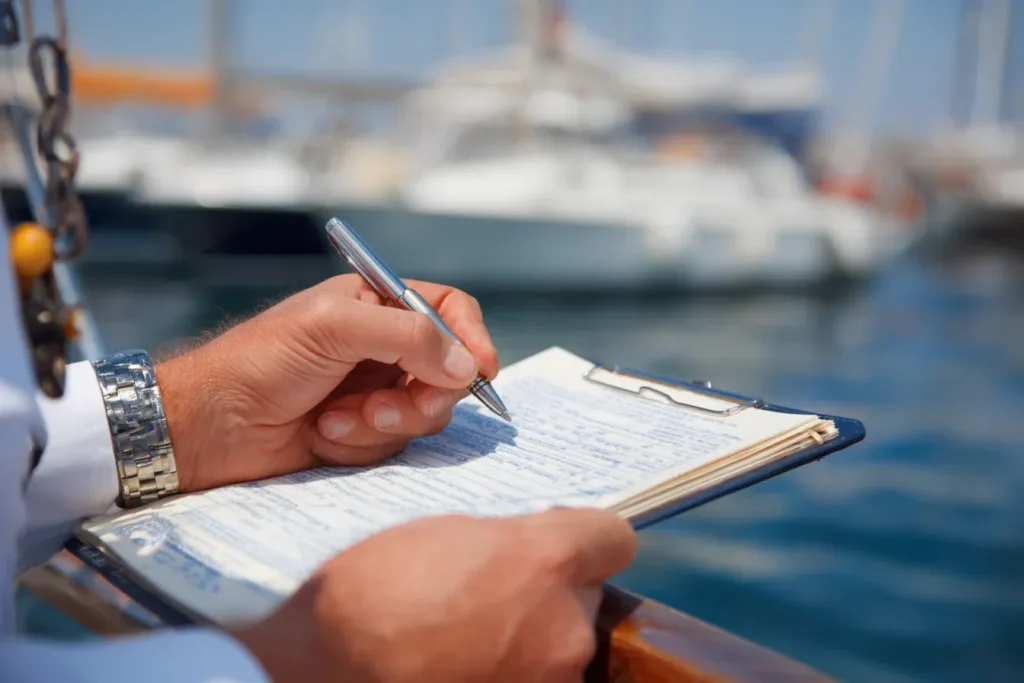
After a boating accident, most victims are focused on getting medical attention, contacting family, and trying to make sense of what just happened. Filing a formal written report is often the last thing on their mind.
But California and federal law impose strict deadlines for reporting serious boating incidents, and missing those deadlines can create problems that follow injured victims long after they have left the water.
The situation becomes more complicated when injuries are not immediately obvious. Adrenaline and shock can mask pain in the hours following a crash, leading victims to underestimate their condition and skip the reporting process entirely.
By the time symptoms surface and medical treatment begins, valuable time has passed, evidence has disappeared, and the window for proper documentation has closed. Insurance companies and opposing parties are quick to use these gaps against injured boaters.
In this article, you will discover when a written boating accident report is legally required, what deadlines apply under California and federal law, and how a Long Beach maritime injury attorney can help you protect your rights and pursue full compensation after a boating accident.
When Is a Written Boating Accident Report Required?
Federal law requires you to file a written boating accident report when specific serious events occur on the water. These aren’t suggestions but legal requirements that protect you and help authorities improve boating safety.
You must file a written boating accident report if any of these situations happen:
- Death: Any person who dies as a result of the boating accident.
- Disappearance: A person goes missing from the vessel under circumstances indicating death or injury.
- Injury requiring medical treatment: Someone needs more care than basic first aid.
- Property damage exceeding $2,000: Combined damage to all vessels and property involved.
- Complete vessel loss: The boat is totally destroyed or disappears.
California adds one more requirement. You must also report accidents that cause a person to remain incapacitated for more than 24 hours, even if they don’t need immediate medical treatment.
These reporting requirements exist for good reasons. They create official records that protect your legal rights if someone later claims you were at fault. They also help the Coast Guard and state agencies track accident patterns to improve water safety.
How Quickly Must You File a Boating Accident Report?
Time matters when filing boating accident reports. Missing these deadlines can result in criminal penalties and give insurance companies reasons to deny your claims.
The deadlines depend on how serious the accident was:
- Within 48 hours: Deaths or disappearances must be reported to authorities immediately and formally documented within 2 days.
- Within 10 days: Injuries requiring medical treatment or property damage over $2,000 must be reported within ten days.
California follows the same federal timeline but adds immediate notification requirements. If someone dies or disappears, you must contact local law enforcement or the Coast Guard right away, then file the written report within 48 hours.
If you’re injured and struggling to meet these deadlines, don’t panic. The Law Offices of Charles D. Naylor helps accident victims complete their paperwork correctly and on time while you focus on getting better.
Who Do You Report a Boating Accident to in California?
Filing your report with the wrong agency wastes precious time and may not satisfy your legal obligations. California has specific agencies that handle boating accident reports.
For accidents in California waters, including Long Beach and the surrounding areas, you report to:
- California State Parks Division of Boating and Waterways: the primary agency for all written reports.
- Local law enforcement or Coast Guard: Contact them immediately for emergencies on VHF Channel 16.
- Long Beach Harbor Patrol: Notify them of accidents within Long Beach harbor boundaries.
Don’t confuse official reporting with insurance paperwork. Boat rental companies often pressure you to sign their internal accident forms, but these don’t replace your legal duty to file an official state report.
The most commonly used form is U.S. Coast Guard Form CG-3865, but California requires you to submit it to state authorities rather than federal authorities.
What Amount of Property Damage Requires a Written Report?
Property damage is measured in dollars, and the threshold is straightforward. You must file a written boating accident report when total damage reaches $2,000 or more.
When determining reportable damage, include damage to all boats involved as well as other property such as docks, buoys, or personal items.
Boat damage adds up quickly. Damage such as a bent propeller, hull scratches, or a damaged motor can add up quickly and may meet the property-damage reporting threshold. That’s already over the reporting threshold.
Insurance adjusters often start with low estimates that increase after detailed inspections. When you’re unsure about total costs, file the report anyway. If you’re unsure whether an accident meets reporting requirements, it’s safer to file a report; failing to report a required accident can carry serious consequences.
What Information Goes in a Boating Accident Report?
A complete accident report requires specific details about every aspect of what happened. California accepts the standard Coast Guard form CG-3865, which asks for comprehensive information.
Your report must include vessel and operator information for everyone involved:
- Registration numbers and vessel names.
- Operator names, addresses, and boating experience levels.
- Insurance company details for all parties.
- Complete passenger lists with contact information.
You also need accident specifics:
- Exact time, date, and GPS location if available.
- Weather conditions, water state, and visibility.
- What each boat was doing when the accident happened.
- Detailed description of how the collision or incident occurred.
Document all damages and injuries thoroughly:
- Description of every injury and what medical treatment was given.
- Estimates of property damage with photos, if possible.
- Names and contact information for witnesses.
The more complete your report, the better it protects you if legal issues arise later, especially when you know how to document an accident scene properly.
What to Do After a Boating Accident
The first minutes after a boating accident determine how well you protect yourself legally and physically. Follow these steps in order to handle the situation properly.
Get Medical Care and Ensure Safety
When involved in a boating accident, stop your boat immediately and check everyone for injuries. Call 911 for medical emergencies and move to safety if your vessel is damaged or taking on water.
Even injuries that seem minor need medical attention. What looks like a small cut might need stitches, and head bumps can cause concussions that show symptoms later.
Report the Incident to the Right Agency
Contact the Coast Guard on VHF Channel 16 for emergencies. In Long Beach Harbor, also notify Harbor Patrol. Exchange insurance and contact information with other boat operators, but don’t discuss who was at fault.
Admitting fault at the scene can hurt you later, even if you think you caused the accident. Let investigators determine what happened based on evidence.
Document the Scene and Witnesses
Take photos of all vessel damage, visible injuries, and the accident location. Get witness names and phone numbers before they leave the area.
Water conditions change quickly, and evidence disappears. Photos taken immediately after the accident show exactly what happened before the boats are moved or repaired.
Avoid Recorded Statements Before Legal Advice
Insurance adjusters may call you within hours of the accident. You don’t have to give recorded statements right away. Politely tell them you’ll call back after speaking with an attorney.
Early statements often hurt your case because you’re still shaken up and may not remember details correctly.
Who Must File the Report: Operator or Owner?
The law places primary responsibility on the person in control of the boat at the time of the accident. This is usually clear, but rental situations can create confusion.
The boat operator must file the report unless they’re too injured to do so. If the operator can’t file due to injuries, the boat owner becomes responsible for ensuring the report gets submitted on time.
In rental situations, you’re considered the operator even though you don’t own the boat. Charter vessel accidents work the same way. The person who was steering at the time of the accident must file the report.
When multiple boats are involved, each operator files their own separate report. Don’t assume the other person will handle everything.
What Happens if You Do Not File a Report?
Failing to file a required boating accident report creates serious legal and financial problems. The consequences often cost more than the original accident damage.
Criminal penalties in California for misdemeanor charges can include fines up to $1,000. Serious accidents that result in injuries or deaths can lead to jail time.
Civil consequences hurt your finances directly:
- Insurance claim denials: Your insurance company can refuse to pay for damages.
- Loss of legal defenses: You lose important protections in lawsuits.
- Personal liability: You become responsible for all accident costs.
- Coast Guard sanctions: Your boating licenses can be suspended or revoked.
Trying to hide an accident makes everything worse. Investigators often discover unreported accidents through hospital records, repair shop reports, or witness statements.
California Rules Versus Federal Rules for Boating Accident Reports
California and federal boating laws are similar but differ in important ways. Understanding which rules apply prevents filing mistakes that can cause legal problems.
| Aspect | Federal Rules | California Rules |
| Damage threshold | $2,000 | $2,000 |
| Injury reporting | Medical treatment beyond first aid | Plus any injury causing 24+ hour incapacitation |
| Filing deadline | 48 hours for death, 10 days for others | Same as federal |
| Where to file | U.S. Coast Guard | CA State Parks Division of Boating and Waterways |
| Form used | CG-3865 | Accepts CG-3865 |
The key difference is where you file. California accidents require state filing even when federal rules also apply. Accidents near federal shipping channels in Long Beach might trigger both jurisdictions, but you still file with California first.
Injured in a Boating Accident? Get Free Legal Help Today
Filing an accident report is just the beginning when you’re injured on the water. Protecting your right to fair compensation requires an experienced maritime attorney who understands the complexities of admiralty law.
The Law Offices of Charles D. Naylor provides immediate assistance to injured boaters throughout Long Beach and Southern California. We ensure your accident report gets filed correctly and on time so you can focus on healing.
Our maritime law team has extensive experience and deep knowledge of how boating accident cases develop.
We also preserve crucial evidence that disappears quickly after water accidents:
- Witness statements before memories fade
- Photos of damage before repairs begin
- Medical records documenting your injuries
- Coast Guard reports and investigation findings
Our Long Beach location allows us to respond immediately to local accidents and help victims file a boating accident lawsuit. We understand California waters and the specific challenges boaters face in busy harbors like Long Beach and San Pedro.
Don’t risk your financial future by handling this alone without a boating accident lawyer. Insurance companies have teams of lawyers working to minimize what they pay you. You need experienced advocates fighting for your interests.
FAQs: Boating Accident Reports
Do I Need to File a Report if Only My Boat Was Damaged?
Yes, single-vessel accidents should be reported whenever they result in injury or significant property damage.
Can I File My Boating Accident Report Online in California?
California State Parks Division of Boating and Waterways currently accepts reports by mail and fax using form CG-3865. Check their official website for any new electronic filing options that may become available.
What if the Other Boat Left Without Exchanging Information?
Report the hit-and-run to law enforcement immediately, then file your accident report with all available details, including witness information.
Hit-and-run boating accidents are serious crimes that authorities investigate thoroughly.
Do I Report a Jet Ski Accident the Same as a Boat Accident?
Yes, personal watercraft like jet skis are legally considered vessels under maritime law. They follow identical reporting requirements, deadlines, and damage thresholds as traditional boats.
Will Filing a Report Affect My Insurance Rates?
Filing required reports is the law regardless of insurance concerns. Failing to file can void your coverage entirely, leaving you personally liable for all damages and injuries, which is far worse than potential rate increases.
What Happens if I Miss the Filing Deadline?
Late filing can result in criminal penalties and insurance claim denials. Contact an experienced maritime attorney immediately if you’ve missed a deadline, as there may be limited exceptions for circumstances such as hospitalization.