The leading cause of accidents involving personal watercraft (PWC) is operator inattention and inexperience. This accounts for the majority of collisions, capsizings, and injuries reported each year. Because PWCs accelerate quickly and respond differently than boats, riders who lack training or situational awareness frequently misjudge distances, speeds, and hazards, leading to serious crashes.
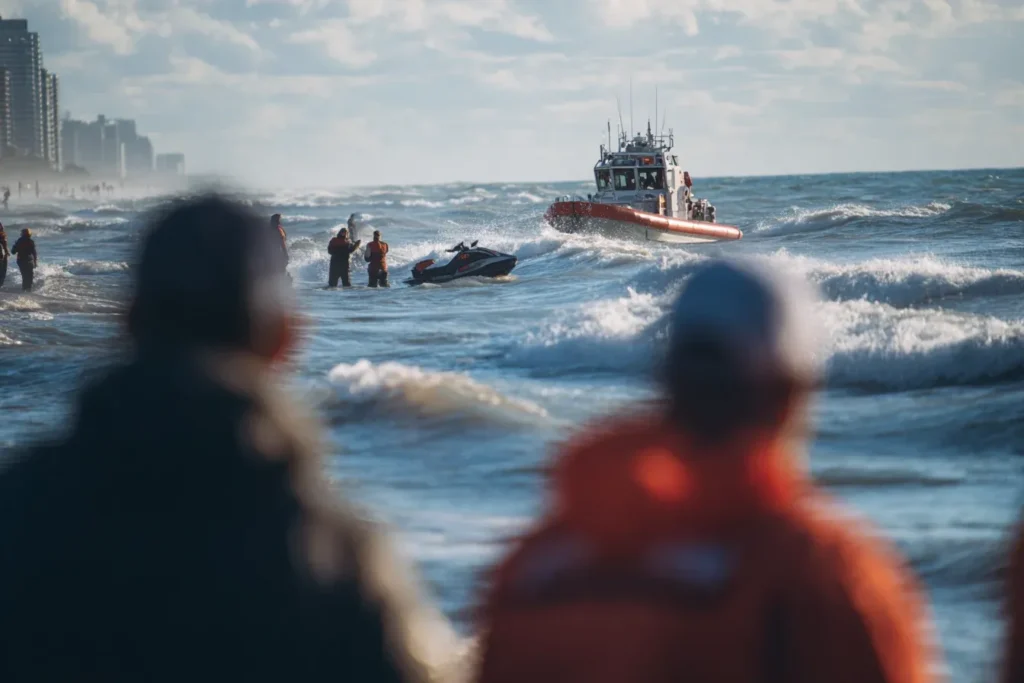
Operator inexperience combined with inattention is the leading cause of personal watercraft (PWC) accidents, according to U.S. Coast Guard statistics. Unlike cars or boats, PWCs require constant throttle to maintain steering control, and when inexperienced riders release the throttle to avoid obstacles, they lose all steering control and often crash directly into what they were trying to avoid.
While alcohol causes the most fatal boating accidents, the majority of non-fatal PWC crashes result from riders who do not understand how these machines operate or who get distracted while riding.
After a jet ski accident, you face medical bills, missed work, and insurance companies that may try to minimize your claim. The busy waters around Long Beach, Marina del Rey, and Newport Beach experience PWC accidents, and some involve rental companies that provide limited safety instruction or visitors unfamiliar with local conditions.
Understanding what causes these accidents and your legal rights under maritime law can make the difference between a fair settlement and being left to handle mounting expenses on your own.
This guide explains the main causes of PWC accidents, why certain riders face higher risks, and what steps you should take immediately after a crash to protect both your health and your legal rights.
What You Need to Know Before You Ride
After a jet ski accident, you face mounting medical bills, missed work, and insurance companies that refuse to return your calls. You need answers about what went wrong and about your rights.
At the Law Offices of Charles D. Naylor, we help injured riders throughout Southern California get the compensation they deserve while they focus on healing.
Personal watercraft accidents happen more often than most people realize. The busy waters around Long Beach, Marina del Rey, and Newport Beach see hundreds of crashes each year. Many could have been prevented if riders had understood the real dangers.
What is the Leading Cause of PWC Accidents?
Operator inexperience and inattention often contribute to personal watercraft (PWC) accidents. This means most crashes occur because the rider does not know how to operate the watercraft properly or becomes distracted while riding.
Alcohol is commonly involved in fatal boating accidents, while many non-fatal PWC crashes stem from rider inexperience and inattention. This distinction matters because it often points to preventable accidents caused by negligence, sometimes by rental companies that fail to provide proper training.
The difference between fatal and non-fatal accidents is important for legal claims. Most PWC injuries result from operator error that could have been avoided with proper instruction and attention to safety rules.
Why Inexperience and Inattention Cause Jet Ski Crashes
PWCs operate completely differently from cars or boats, but most people do not understand this until it is too late. A PWC needs throttle power to steer. When you release the throttle, you lose all steering control.
Here is what happens in a typical crash. A new rider sees an obstacle, such as another boat or a swimmer. They instinctively let go of the throttle to slow down, just like taking your foot off the gas pedal in a car. But PwC keeps moving forward in a straight line, with no ability to turn. The rider crashes directly into the obstacle they were trying to avoid.
Inattention is equally dangerous on crowded Southern California waters. A momentary distraction can cause a collision in seconds.
The most common distractions include:
- Watching other riders: Taking your eyes off your path to see what friends are doing.
- Using phones: Trying to take photos or check messages while moving.
- Talking to passengers: Turning around instead of watching ahead.
- Attempting stunts: Focusing on wake jumping instead of monitoring traffic.
Even experienced riders get hurt when they lose focus for just a few seconds.
Are Jet Skis Harder to Stop than Boats?
Yes, PWCs are much harder to stop than traditional boats. A PWC uses jet propulsion, which means it sucks water in and shoots it out the back to create movement. A regular boat uses a propeller for power and a separate rudder for steering.
This difference becomes critical when you need to stop quickly. A boat can shift into reverse to slow down fast. A PWC has no brakes and very limited reverse capability. The only way to stop is to circle around and gradually slow down.
| Feature | Traditional Boat | Personal Watercraft |
| Braking System | Reverse thrust available | No brakes, must circle to stop |
| Steering Without Power | Rudder provides some control | Zero steering without throttle |
| Stopping Distance at 30 mph | 50-100 feet | 200-300 feet |
| Emergency Options | Multiple maneuvers possible | Limited to turning only |
Rental companies often skip this crucial information during their brief safety talks. They hand you a life jacket and the keys without explaining how different a PWC is from other watercraft.
What Else Causes PWC Accidents?
While inexperience leads the list, several other factors frequently contribute to serious PWC accidents in Southern California waters.
Speeding in Crowded Waterways
Modern PWCs can reach high speeds, yet accidents also occur at lower speeds in crowded waterways. The problem is not just high speed but wrong speed for the conditions.
Popular areas like Alamitos Bay, the Naples canals, and the waters near Belmont Pier have heavy boat traffic, swimmers, and narrow channels. Riders who ignore posted speed limits and no-wake zones create dangerous situations for everyone on the water.
Speed limits exist for good reasons. They give you time to react to other boats, swimmers, and obstacles. When you exceed the speed limit for the area, you cannot avoid accidents, even if you see them coming.
Reckless Maneuvers and Wake Jumping
Wake jumping means using the wake from another boat as a ramp to launch your PWC into the air. This looks fun, but it can cause serious injuries when riders land incorrectly.
The impact of landing incorrectly can compress your spine, throw you from the craft, or cause you to lose control and crash into other objects. Even experienced riders get hurt when they misjudge the speed, angle, or timing of a jump.
Many riders also perform sharp turns and other aggressive maneuvers without considering other boats in the area. These stunts can cause collisions or throw passengers into the water.
Distracted Operation
Unlike a car, nothing protects you on a PWC. When you look away from where you are going, even briefly, you can become effectively blind to hazards ahead.
Modern distractions make this worse. Riders try to take selfies, check their phones, or record videos while operating their PWC. This divided attention leads to crashes with other boats, fixed objects, or people in the water.
The constant motion and noise on a PWC also make it hard to hear warnings from other boaters or spot approaching hazards.
Collisions with Boats and Docks
PWCs sit low in the water, making them nearly invisible to operators of larger boats. At the same time, PWC riders often misjudge their speed and distance when approaching docks, other boats, or fixed objects like buoys.
Large commercial vessels cannot stop or turn quickly. If you ride into a shipping channel or get too close to a working boat, the other captain may not be able to avoid hitting you.
Docks and breakwaters do not move, but many riders still crash into them because they cannot judge their stopping distance or lose control of their steering at the wrong moment.
Alcohol and Drugs
Operating a PWC while under the influence is illegal in California and carries the same penalties as drunk driving. The effects of alcohol get worse on the water because of sun exposure, wind, and the constant motion of waves.
Alcohol impairs your judgment of speed and distance. It also affects your balance, which is crucial for staying on a PWC. Even small amounts of alcohol can make it impossible to react quickly to avoid accidents.
Drug use, including prescription medications that cause drowsiness, creates similar dangers. If a medication label warns against operating machinery, that includes PWCs.
Weather and Low Visibility
Southern California weather can change quickly on the water. Afternoon winds can turn calm bays into choppy, dangerous conditions in minutes. These “weather wakes” are waves created by wind, not other boats.
Marine fog is another serious hazard. It can roll in without warning, reducing visibility to almost zero. When you cannot see other boats, swimmers, or obstacles, accidents become almost inevitable.
Many riders do not check weather conditions before going out or ignore warning signs like increasing wind or approaching fog banks.
How Dangerous is Jet Skiing?
Although PWCs constitute a minority of registered recreational boats, they are involved in a disproportionately high share of reported boating accidents. This means PWCs have a much higher accident rate than other types of watercraft.
Most serious injuries happen from high-speed impacts, collisions with fixed objects, or being thrown from the craft – understanding what is most likely to cause someone to fall overboard can help prevent these dangerous situations. The lack of protection around riders makes even moderate-speed crashes dangerous.
Common injury patterns include:
- Impact injuries: Hitting the handlebars, another boat, or a dock can cause broken bones, head trauma, and internal injuries.
- Propulsion injuries: The high-pressure water jet can cause severe internal damage if you fall near the rear of the PWC.
- Drowning risks: If an impact knocks you unconscious, even a properly fitted life jacket may not keep you safe, which is why knowing what you should do first when a vessel capsizes is critical for water safety.
The combination of speed, lack of protection, and operator inexperience makes PWCs more dangerous than many people realize.
Who is Most at Risk on the Water?
Certain groups face much higher risks of PWC accidents based on their experience level and knowledge of local conditions.
First-time renters are the highest-risk group. Many rental companies provide minimal training, often just a liability waiver and basic operating instructions. Renters do not know about local hazards, traffic patterns, or how to handle emergencies.
Teenage riders also have higher rates of accidents. Young operators often lack the judgment needed to handle the speed and power of modern PWCs. California requires riders under 16 to have adult supervision and those under 20 to complete a boater safety course, but enforcement is inconsistent.
Tourist riders face unique dangers because they are unfamiliar with local waters. They do not know where commercial shipping lanes run, when afternoon winds typically pick up, or where swimmers and divers are likely to be in the water.
Rental waivers do not protect companies from liability for their own negligence. They still have a duty to provide safe equipment and adequate instruction to prevent foreseeable accidents.
What to Do After a PWC Accident in Southern California
The actions you take immediately after an accident can protect both your health and your legal rights. Follow these steps in priority order.
Get Medical Care and Call for Help
Seek medical attention right away, even if you feel fine. Adrenaline masks pain, and internal injuries may not show symptoms immediately. Call 911 or your local harbor patrol to report the accident and request emergency assistance.
Do not refuse medical evaluation at the scene. Insurance companies often use refusal of medical care to argue that injuries were not serious or were caused by something else later.
Report the Accident and Preserve Evidence
California law requires reporting any boating accident involving injury, death, or property damage over $2,000. Use your phone to photograph everything while you wait for help to arrive.
Take pictures of:
- All visible injuries: Document cuts, bruises, and swelling before they heal.
- Vehicle damage: Show damage to all PWCs and boats involved.
- The accident scene: Capture the location, weather conditions, and any hazards.
- Registration numbers: Record the identification numbers of all watercraft.
Get contact information for everyone involved and any witnesses. People leave the scene quickly, and their memories fade over time.
Avoid Recorded Statements
Insurance adjusters often call within hours seeking recorded statements about the accident. Their goal is to find reasons to deny or reduce your claim. Politely decline to give a statement until you speak with an attorney.
The same applies to incident reports from rental companies beyond the basic facts required by law. Do not sign anything that admits fault or releases the other party from liability.
Call the Law Offices of Charles D. Naylor
Evidence disappears, and witnesses become unavailable quickly after water accidents. We immediately send preservation notices to prevent the destruction of maintenance records, surveillance footage, and other critical evidence.
Our Long Beach location allows us to respond quickly to accidents throughout Southern California waters. We handle all communication with insurance companies so you can focus on your medical treatment and recovery.
What Are Your Legal Rights After a PWC Crash?
Accidents on navigable waters fall under federal maritime law, which provides different rights and remedies than regular personal injury claims. These laws often provide better protection for injured victims.
Several parties may be legally responsible for your injuries depending on how the accident happened. Identifying all liable parties is crucial for recovering full compensation.
Potentially liable parties include:
- Negligent operators: Other riders who caused the collision through reckless operation, excessive speed, or inattention,
- Rental companies: Businesses that failed to maintain equipment, provide proper training, or rent to unqualified operators,
- Manufacturers: Companies that made defective PWCs or parts that contributed to the accident,
- Commercial vessels: Larger boats that violated navigation rules or created dangerous conditions, including those involved in a charter vessel accident,
Maritime law allows you to recover compensation for medical expenses, lost wages, pain and suffering, and other damages. The specific amount depends on the severity of your injuries and the degree of negligence involved.
Most maritime injury claims must be filed within three years of the accident, but some situations require earlier action. Evidence preservation and witness interviews need to happen immediately while memories are fresh and proof is still available.
Get Legal Help for Your PWC Accident
The Law Offices of Charles D. Naylor represent injured boaters and personal watercraft (PWC) riders. We understand the unique challenges of maritime accident cases and have the resources to take on large insurance companies and rental corporations.
Our firm is located in Long Beach at the center of Southern California’s busiest waterways. We have earned national recognition, including Super Lawyer selections and the highest AV Preeminent rating for legal skill and ethics.
We work on a contingency fee basis, which means you pay no attorney fees unless we win your case. We advance all case costs, including expert witnesses, accident reconstruction, and medical evaluations.
Frequently Asked Questions About PWC Accidents
Which Part of a PWC Can Cause Severe Internal Injuries?
The water jet nozzle at the rear of a PWC shoots water at extremely high pressure and can cause life-threatening internal injuries if you fall near it. This is why protective clothing and maintaining safe distances from other riders are essential.
Is Alcohol the Leading Cause of Fatal Boating Accidents?
Yes, alcohol is the leading known contributing factor in fatal boating accidents, according to Coast Guard data. However, operator inexperience and inattention account for the majority of non-fatal PWC accidents resulting in serious injuries.
Are Rental Companies Liable if Their Customer Causes an Accident?
Rental companies can be held liable if they rent to intoxicated or underage operators, fail to maintain their equipment properly, or do not provide adequate safety instruction. A liability waiver does not protect them from their own negligence.
How Long Do I Have to File a PWC Injury Lawsuit in California?
Maritime law generally provides three years to file a lawsuit for PWC injuries, but some rental agreements attempt to shorten this deadline. You should contact an attorney immediately to protect your rights and preserve evidence.
What Should I Do Right Now After a PWC Crash?
Get immediate medical attention even if you feel fine, report the accident to harbor patrol, take photos of your injuries and all damage, collect witness contact information, and call the Law Offices of Charles D. Naylor before speaking with any insurance company to understand how to file a boating accident lawsuit in Long Beach.
Can I Sue if the PWC I Rented Had Mechanical Problems?
Yes, rental companies have a duty to provide safe, properly maintained equipment. If mechanical failure contributed to your accident, you may have a claim against the rental company regardless of any waiver you signed.